
Historical / Traditional Context
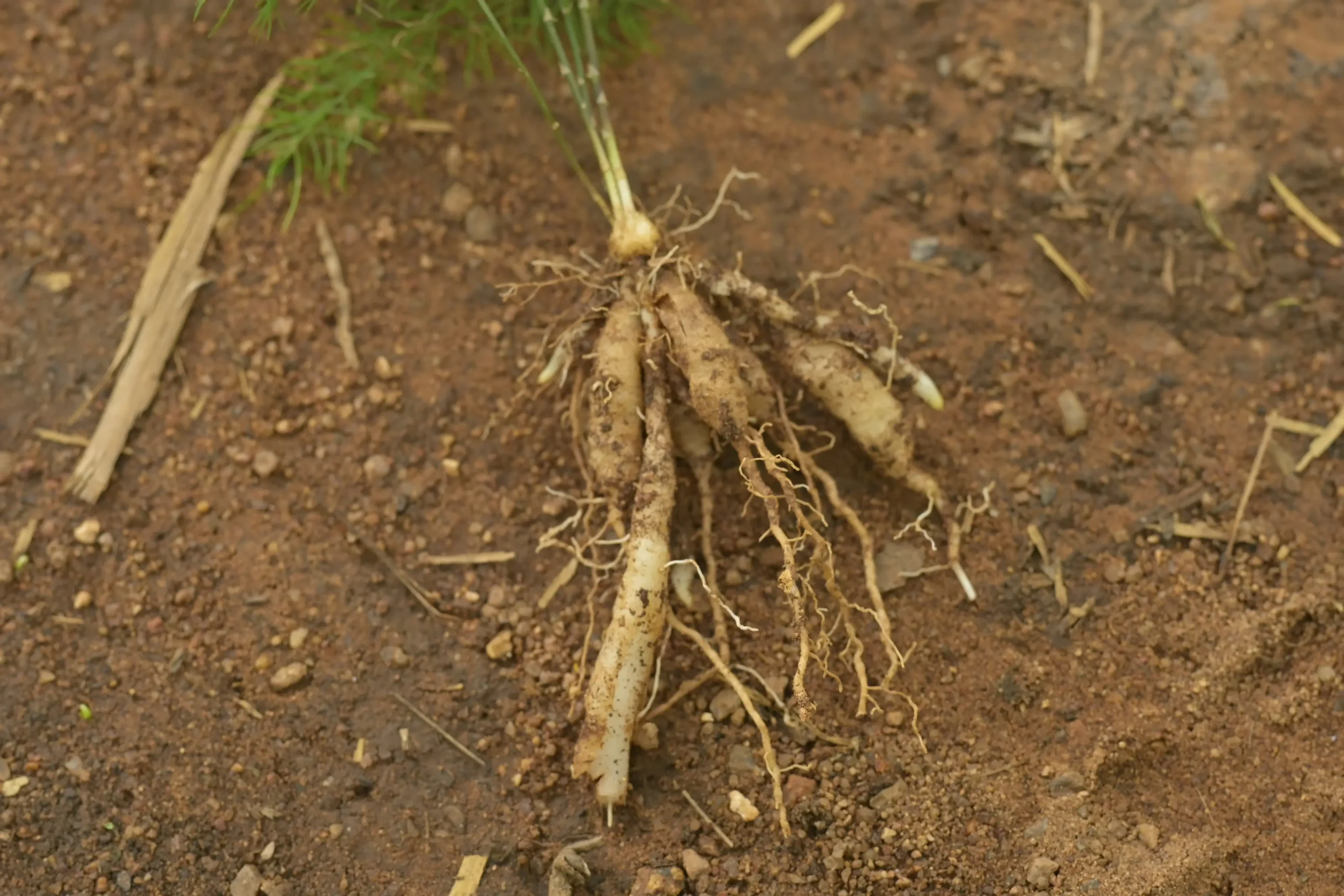
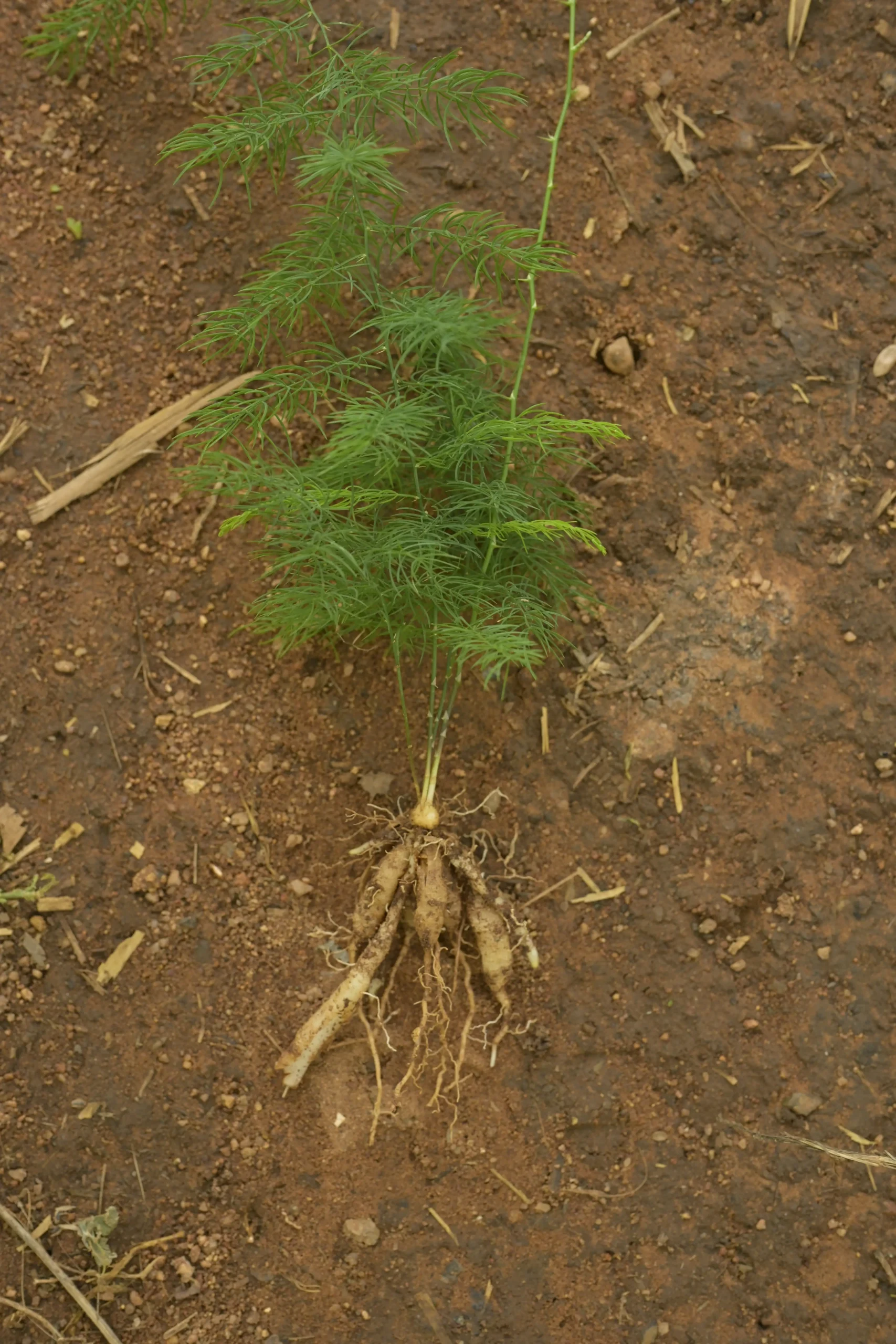
Shatavari holds a respected place in Ayurveda for centuries, especially known as a rejuvenating herb. Traditionally used in various formulations, it has been cultivated and foraged across India for its medicinal roots.
Known For / Special Features
- Highly valued Ayurvedic medicinal plant, especially for women’s health
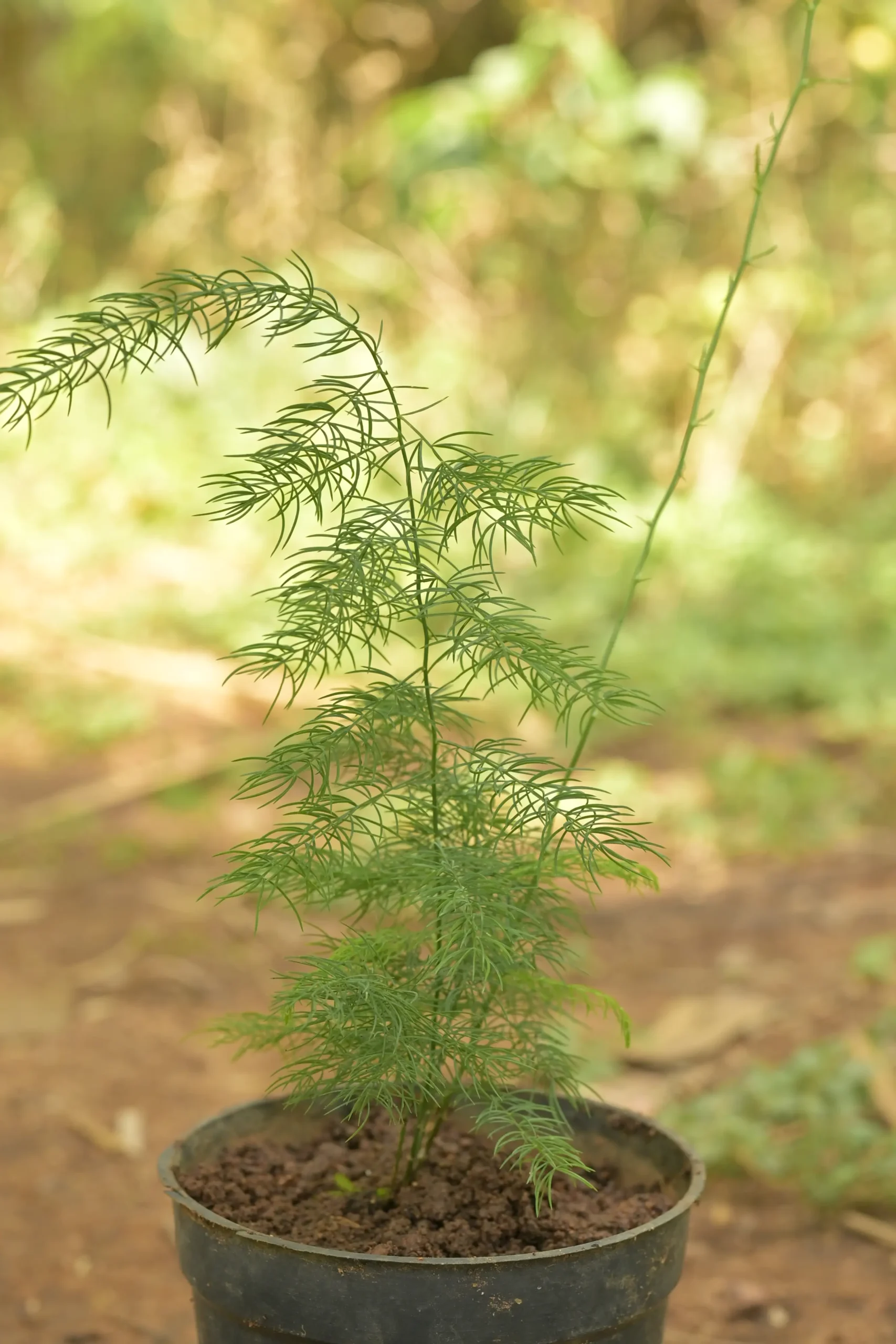
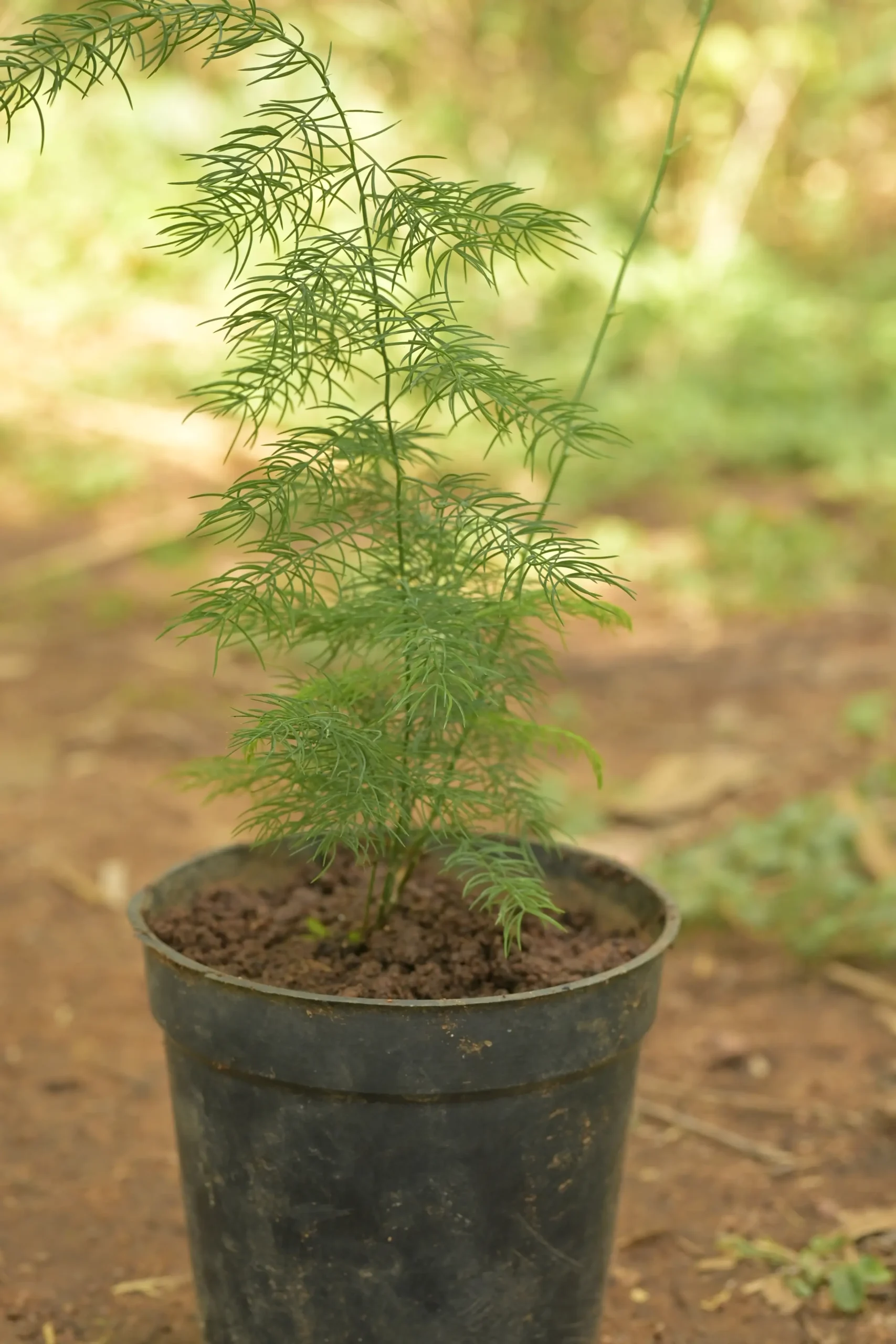
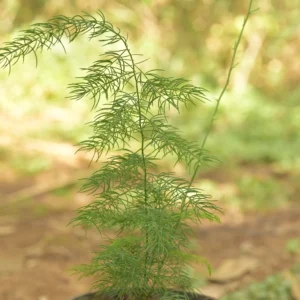
- Attractive, soft feathery foliage giving an ornamental look
- Produces small fragrant flowers during flowering season
- Supports pollinators like bees
- Thrives well in natural and low-input farming systems
Health & Traditional Uses
- Widely used in Ayurveda as a rejuvenative herb (Rasayana)
- Traditionally used to support hormonal balance and overall vitality
- Used in digestive and general wellness formulations
(Note: Traditional uses only, not a substitute for medical advice)
Nutritional Facts
Not consumed as a regular food
Primarily valued for medicinal root properties
Culinary Uses
Not commonly used in regular cooking
Growing Information
Ideal Climate: Tropical and subtropical climates, prefers warm conditions
Growing Difficulty Level: Easy to Moderate
Growth Type: Moderately fast-growing climber
Growing Tips
- Prefers well-drained soil with partial shade to full sun
- Provide support for better growth (trellis or nearby plants)
- Regular watering during early stages helps establishment
- Minimal care once established
- Harvest roots only after proper maturity
Availability
Limited
What You Will Receive
1 healthy live Shatavari plant, ready for transplant
Why From Siri Eco Farm
Naturally grown planting material, raised without chemicals. Selected for strength, authenticity, and suitability for natural farming systems.
Important Note
Plant growth may vary based on climate and soil conditions. Medicinal value depends on proper growth and maturity. No guaranteed results.
Reviews
There are no reviews yet.