
Plant Details
Botanical Name: Pongamia pinnata (L.) Pierre
Older / Alternative Name: Millettia pinnata (L.) Panigrahi
Family: Fabaceae
Plant Type: Tree
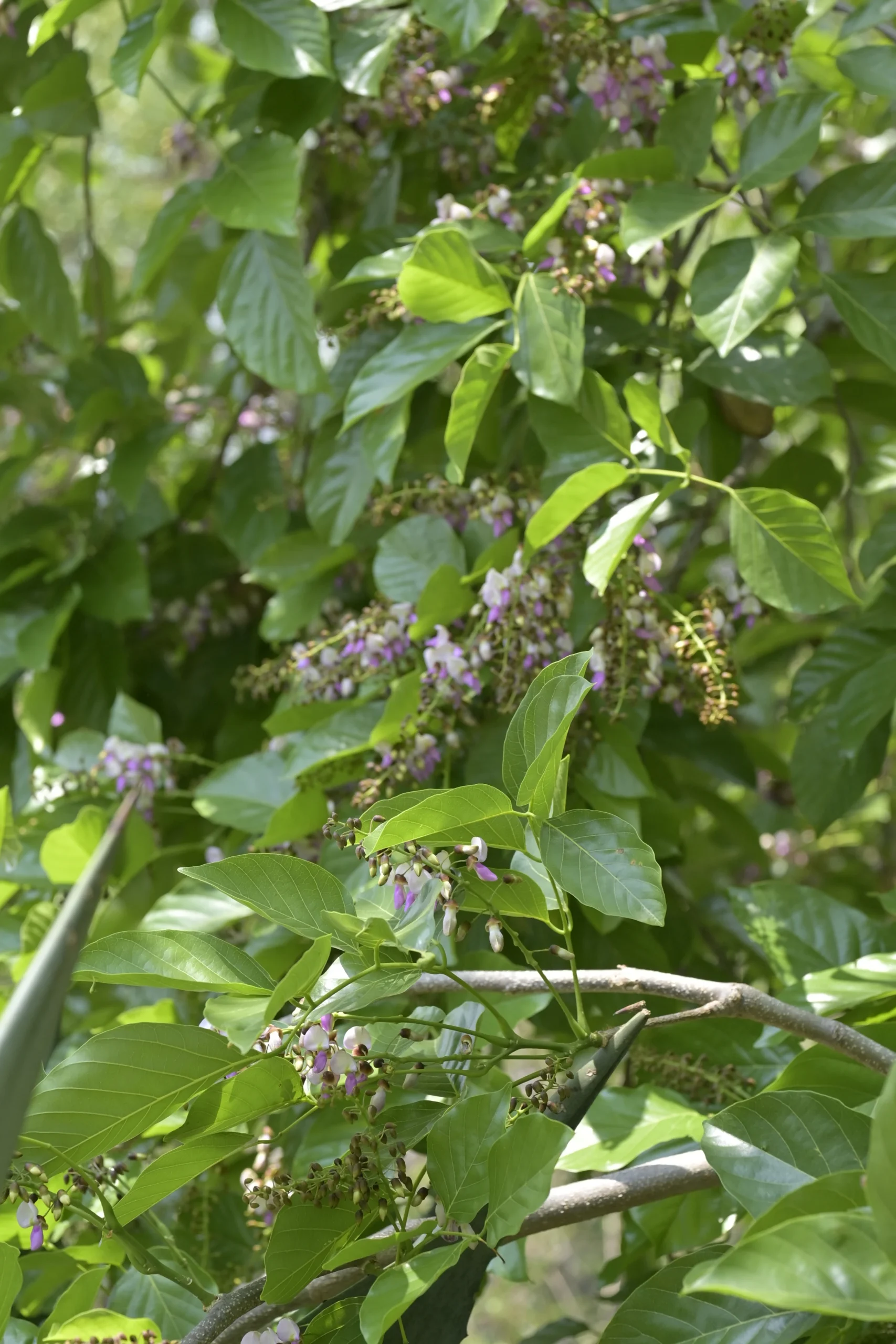
Growth Habit: Medium-sized deciduous tree with a broad, spreading canopy
Growth Height: Can grow into a substantial tree, commonly around 15–25 metres under suitable conditions
Lifecycle: Perennial, long-lived tree
Origin / Native Region
Karanja is native across tropical and subtropical Asia through parts of the western Pacific. India is within its native range, and the species is widely distributed across the country.
It is particularly associated with seasonally dry tropical environments and can also be found along watercourses and in cultivated landscapes.
Historical / Traditional Context
Honge has long been part of the Indian rural landscape.
In Karnataka, it can be seen as a farm tree, avenue tree and tree associated with watercourses. Its broad canopy makes it useful as a shade tree, while its seeds have traditionally been valued for their oil.
The tree also has cultural importance. IISc’s Digital Flora of Karnataka records it as a sacred tree, as well as noting the traditional importance of its seed oil.
The species has also attracted modern interest because its seed oil has been studied for industrial applications and biofuel production.
Known For
Beautiful shade tree: A mature Honge develops a broad canopy that can create a pleasant shaded space.
Indian native tree: It is naturally distributed across India and is a familiar part of many Indian landscapes.
Agroforestry potential: Karanja has been studied in Indian agroforestry systems, including research conducted in Karnataka.
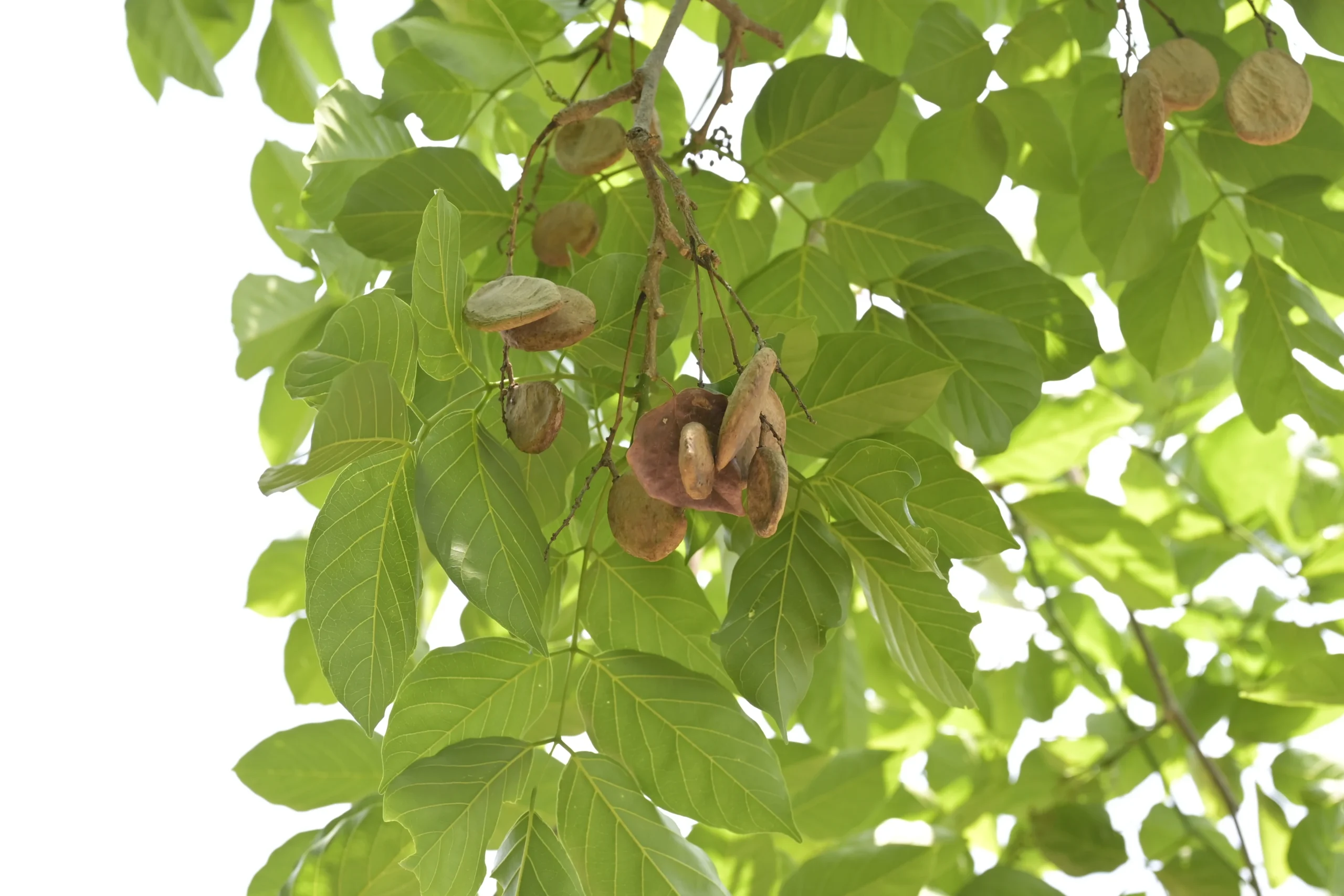
Useful seeds: The seeds contain oil and have attracted interest for traditional and industrial applications.
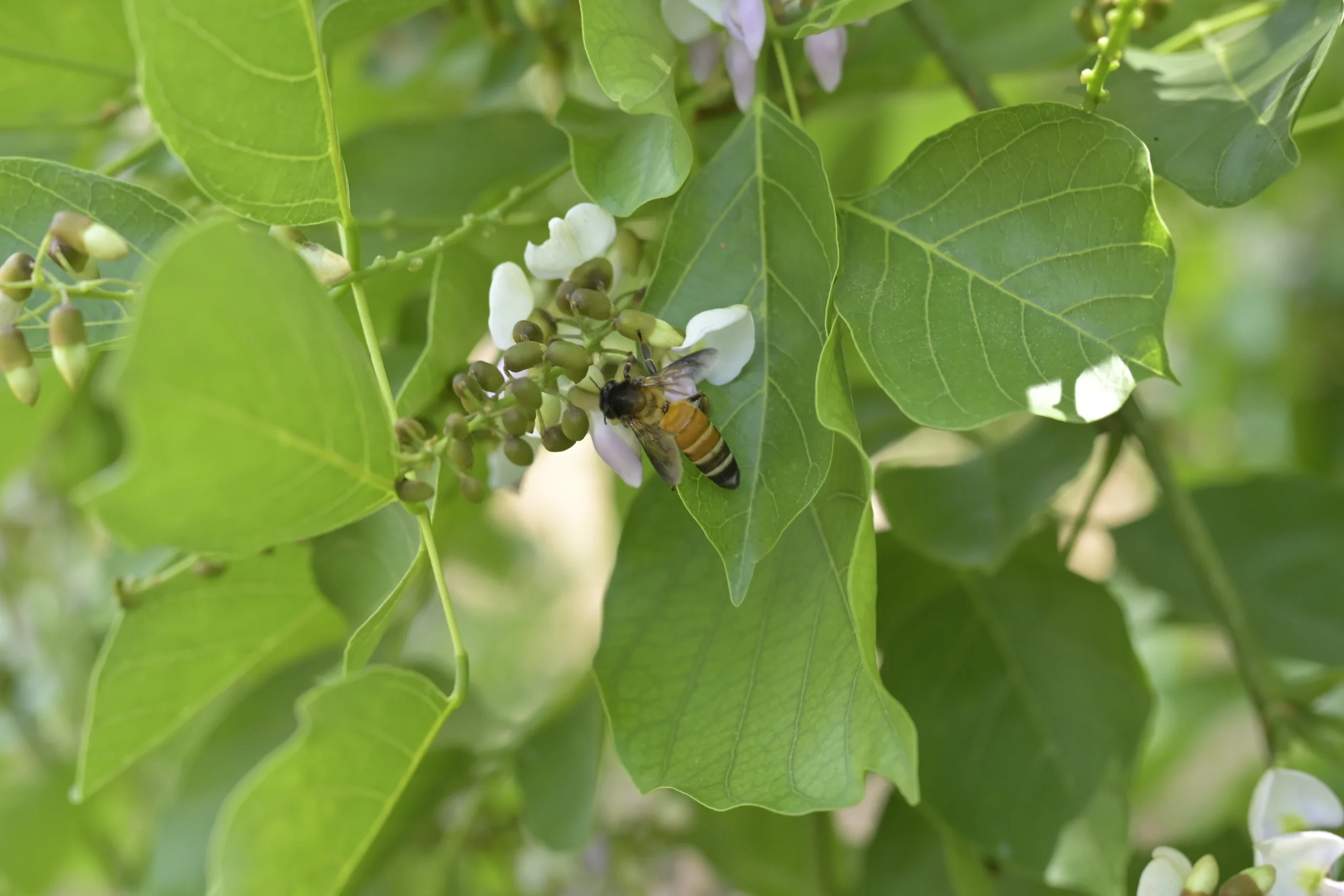
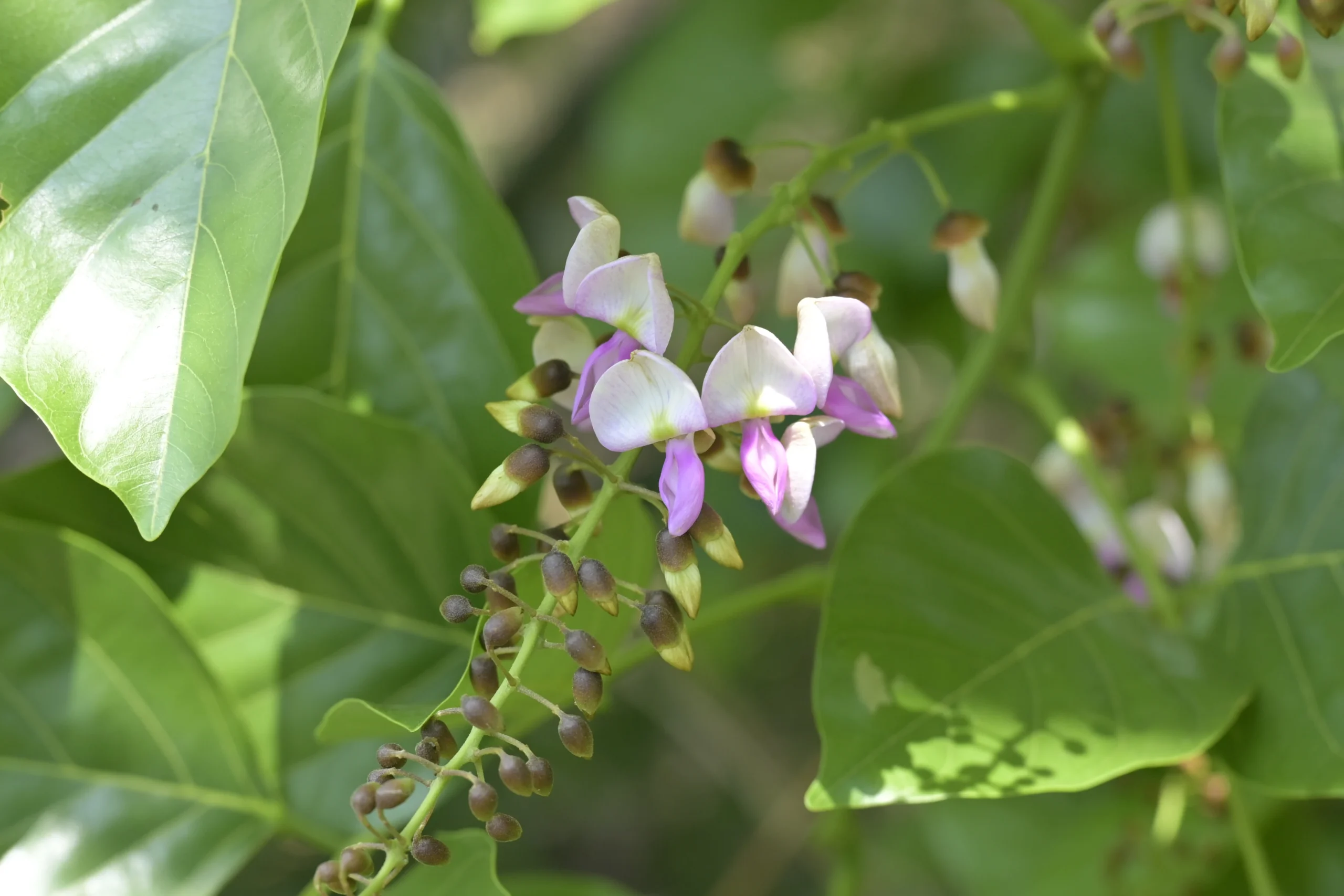
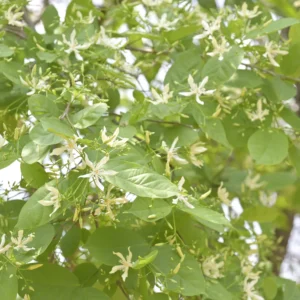
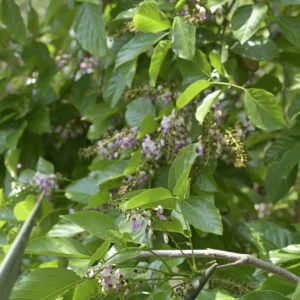
Beautiful flowers: Its short clusters of whitish-pink, pea-like flowers add seasonal interest to the tree.
Traditional Uses
Karanja has a long history in Indian traditional medicine, with different parts of the plant appearing in traditional preparations. Kew’s Medicinal Plant Names Services also records Pongamia pinnata in Ayurvedic medicinal sources.
The tree is also valued for its seed oil and wood, while its broader usefulness has made it an interesting multipurpose tree for rural landscapes.
These seeds are supplied for planting the tree and are not sold as an edible food product.
Seed & Oil Facts
Karanja seeds are particularly notable for their oil content.
Research on Pongamia pinnata has found considerable variation in seed and oil characteristics between different seed sources and growing regions. This variation is one reason researchers continue to study different Karanja populations for agroforestry and oil production.
The seeds contain naturally occurring compounds such as karanjin and pongamol, which are among the compounds associated with Karanja seed chemistry.
Growing Information
Ideal Climate: Tropical and subtropical climates
Growing Difficulty Level: Easy to Moderate
Growth Type: Seed-grown perennial tree
Growth Height: Approximately 15–25 metres under suitable conditions
Light: Full sun to bright open conditions
Soil: Adaptable to a range of soils, provided the site has suitable drainage.
Best Use: Farms, agroforestry, boundaries, avenues, large gardens and long-term tree planting
Germination & Early Growth
- Karanja can be propagated from seed.
- Fresh seeds are generally preferred for planting. Nursery guidance for Honge describes soaking and other seed treatments to improve germination, while research has also examined how seed storage affects viability and germination.
- Once established, the seedling develops into a substantial tree, so it is important to choose its permanent location carefully.
Growing Tips
- Use fresh, healthy Karanja seeds for planting.
- Soaking the seeds before sowing can help with germination.
- Use a well-drained growing medium.
- Keep the soil evenly moist during early establishment.
- Give young seedlings adequate sunlight.
- Protect seedlings from grazing animals.
- Transplant carefully after the seedling is well established.
- Leave sufficient space for the mature canopy.
- For farm planting, consider the future shade created by the tree when deciding its location.
Availability
Seasonal / Limited
What You Will Receive
Karanja / Honge (Pongamia pinnata) seeds for growing.
These are natural planting seeds and may naturally vary in size, shape and colour.
For bulk orders, delivery queries, or support, 💬 Connect on WhatsApp
FAQ
What are Karanja seeds?
Karanja seeds are the seeds of Pongamia pinnata, a useful Indian tree also widely known as Honge in Karnataka.
Is Karanja the same as Honge?
Yes. Karanja and Honge refer to Pongamia pinnata. Honge Mara / Hongemara is the Kannada name recorded by IISc.
Is Karanja a good tree for farms?
Yes. Its broad canopy and multipurpose nature make it useful for farm landscapes and agroforestry. Pongamia pinnata has also been studied in agroforestry systems in Karnataka.
Are Karanja seeds edible?
No. These Karanja seeds are supplied as planting material, not as food. The seeds contain naturally occurring compounds and are valued primarily for their oil and other uses.
Reviews
There are no reviews yet.