
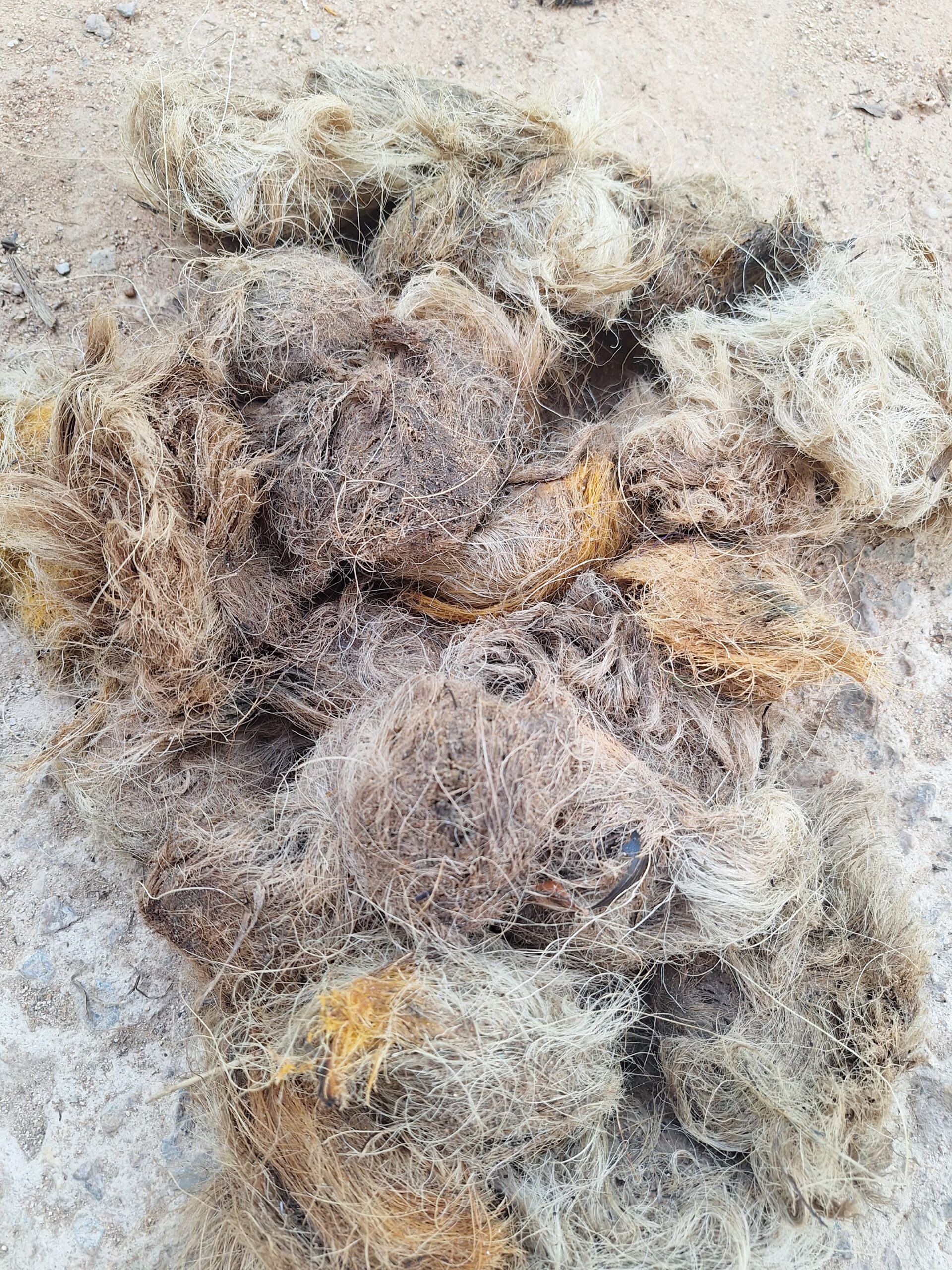
Ice Apple Plant Seeds (Borassus flabellifer)
Plant Details
Botanical Name: Borassus flabellifer L.
Family: Arecaceae
Plant Type: Palm / Tree
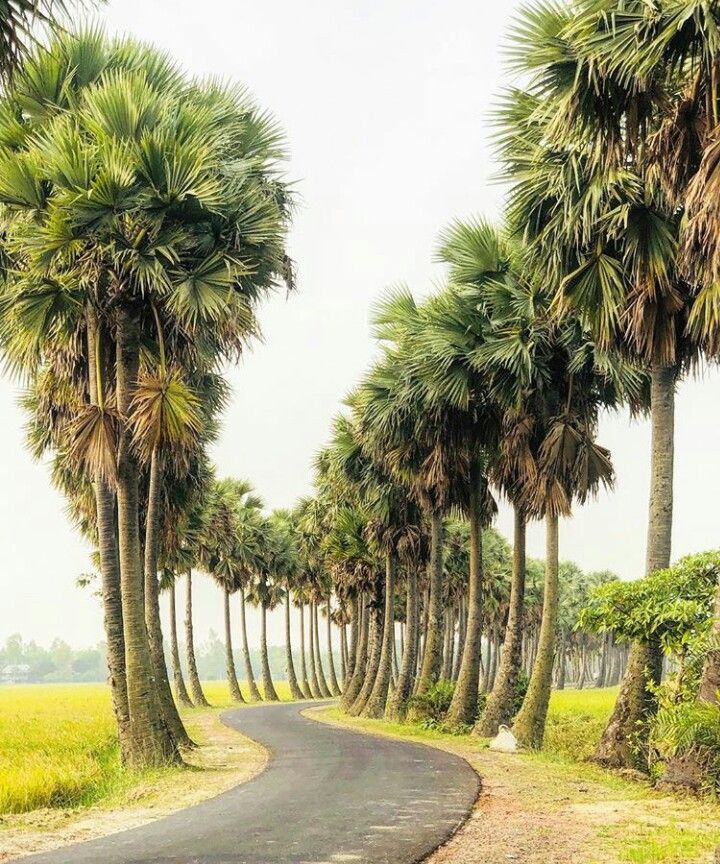
Growth Habit: Solitary, upright palm with a strong columnar trunk and large fan-shaped leaves
Growth Height: Approximately 20–30 metres under suitable conditions
Lifecycle: Perennial, exceptionally long-lived
Origin / Native Region
Borassus flabellifer is native across South and Southeast Asia, with its native range extending from India through parts of Indochina and the Indonesian islands. It is particularly characteristic of tropical and seasonally dry landscapes and has been cultivated and naturalized extensively.
Historical / Traditional Context
The Palmyra Palm is far more than an ornamental tree. Across India and Southeast Asia, it has been a food, livelihood, construction, writing and cultural resource for generations.
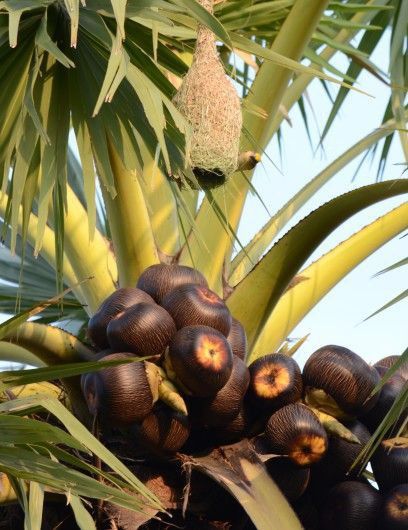
Almost every part of the palm has traditionally been useful. Its fruits provide food, the young endosperm is enjoyed as ice apple, and the inflorescences can be tapped for sweet sap. The leaves have traditionally been used for thatching, weaving and containers, while dried palm leaves historically served as an important writing material in South Asia. Its strong wood has also been used for construction and other rural applications.
A Tree With Deep History
The species was formally described by Carl Linnaeus in 1753 in Species Plantarum, but its relationship with people in South Asia is vastly older than its scientific naming.
More remarkably, recent palaeobotanical research has reported fossil evidence from the Bengal Basin suggesting the presence of Borassus flabellifer in the region since the Miocene, pointing to a very ancient history of the species in the Indian subcontinent.
Known For / Special Features
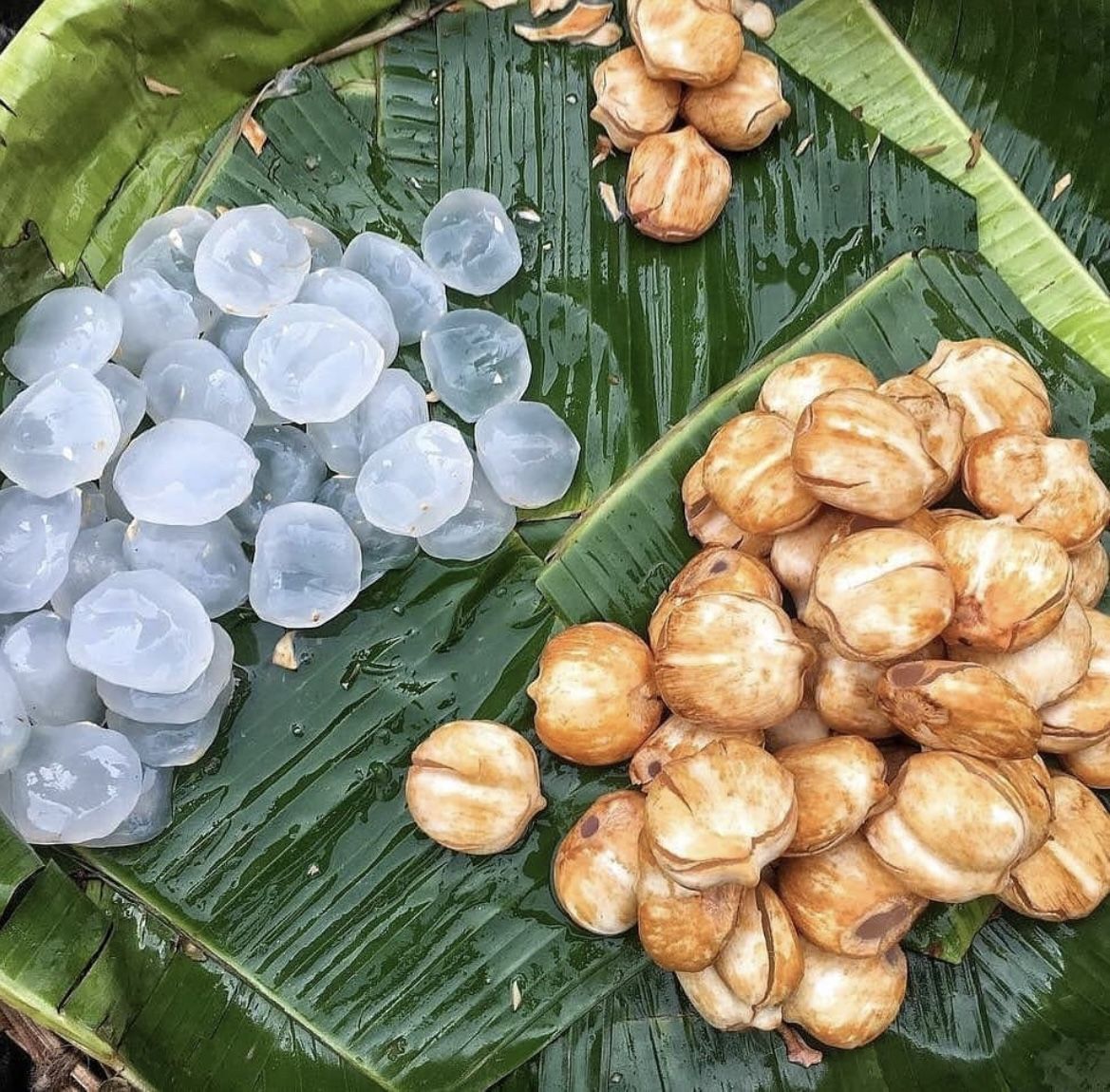
Ice Apple: Its young fruit contains translucent, jelly-like seed kernels known as ice apple or tadgola.
Multipurpose heritage palm: Fruit, sap, leaves and timber have traditionally all been useful.
Magnificent fan-shaped foliage: Mature palms create an unmistakable tropical landscape.
Extremely long-lived: A tree planted today can become a legacy for future generations.
Drought and seasonal-climate adapted: Particularly associated with tropical regions experiencing seasonal rainfall.
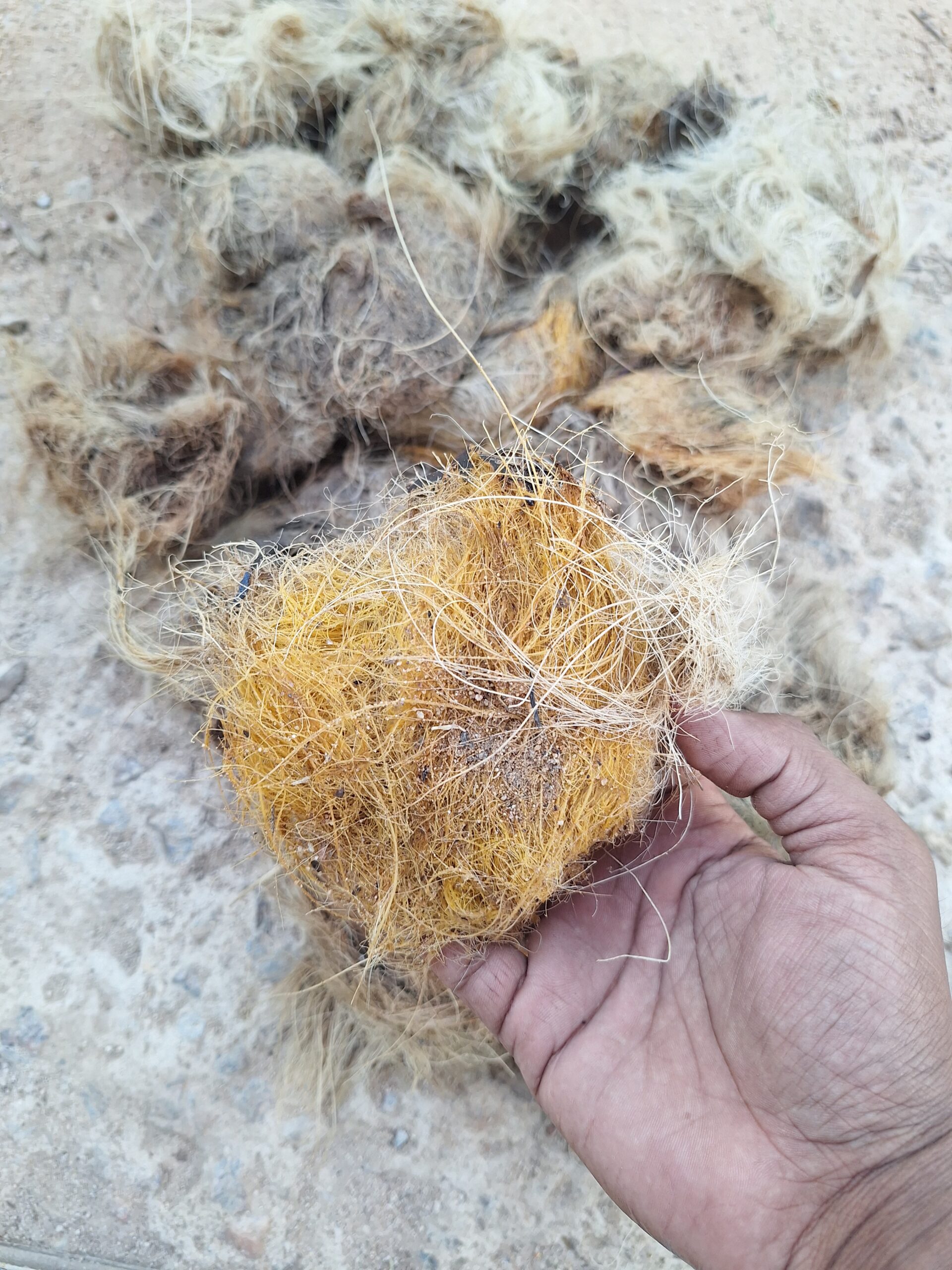
Exceptional seedling story: Germination begins underground, with the developing seedling sending a long tubular structure downward before producing its first leaves above the soil.
Health & Traditional Uses
The fruit and young endosperm of Palmyra are traditionally consumed as food, while the sweet sap from the inflorescence has traditionally been collected for food and beverage preparation.
The palm is therefore valued primarily as a food, livelihood and multipurpose tree, rather than simply as a medicinal plant.
Nutritional Facts
The edible young kernels inside the Palmyra fruit are commonly known as ice apple or tadgola.
The fruit is valued as a naturally refreshing seasonal food, while the developing endosperm has a soft, translucent and jelly-like texture.
Nutrition can vary with fruit maturity and growing conditions, so we avoid presenting unsupported fixed nutrient numbers.
Culinary Uses
The mature fruit and its developing kernels have several traditional uses:
Fresh ice apple / tadgola
Fresh fruit pulp
Traditional sweets and desserts
Palm fruit-based preparations
Palm sap used in traditional food and beverage preparation
Young palm cabbage is also consumed in some traditional food systems.
Growing Information
- Ideal Climate: Tropical and subtropical climates; particularly suitable for warm regions with seasonal rainfall.
- Growing Difficulty Level: Moderate
- Growth Type: Slow-establishing palm with a long-term growth cycle
- Growth Height: 20–30 metres
- Germination & Early Growth
Under suitable conditions, seeds generally begin germinating in approximately 45–60 days. The developing sprout initially grows downward into the soil, forming a tuberous structure before producing its first leaves above ground. The first visible leaves may take around 9–12 months to appear.
This is definitely a plant-it-for-the-future tree, rather than an instant-result plant.
Growing Tips
Use fresh, mature seeds for planting.
Plant in deep, well-drained soil.
Give the developing seed adequate space.
Keep the soil sufficiently moist during establishment without prolonged waterlogging.
Be patient — Palmyra has a naturally slow early establishment phase.
Choose the planting location carefully because this eventually becomes a very large palm.
Excellent candidate for farm boundaries, large landscapes and long-term tree planting.
Availability
Seasonal / Limited
Important Note
These are natural seeds and germination is influenced by seed freshness, soil, moisture, temperature and planting depth.
Palmyra is a slow-establishing tree, so patience is essential.
Individual seeds may vary naturally in size and germination performance.
This is a long-term tree and requires adequate space for mature growth.
Male and female flowers occur on separate palms, so a single seedling cannot be guaranteed to become a fruit-bearing female palm.
Reviews
There are no reviews yet.