
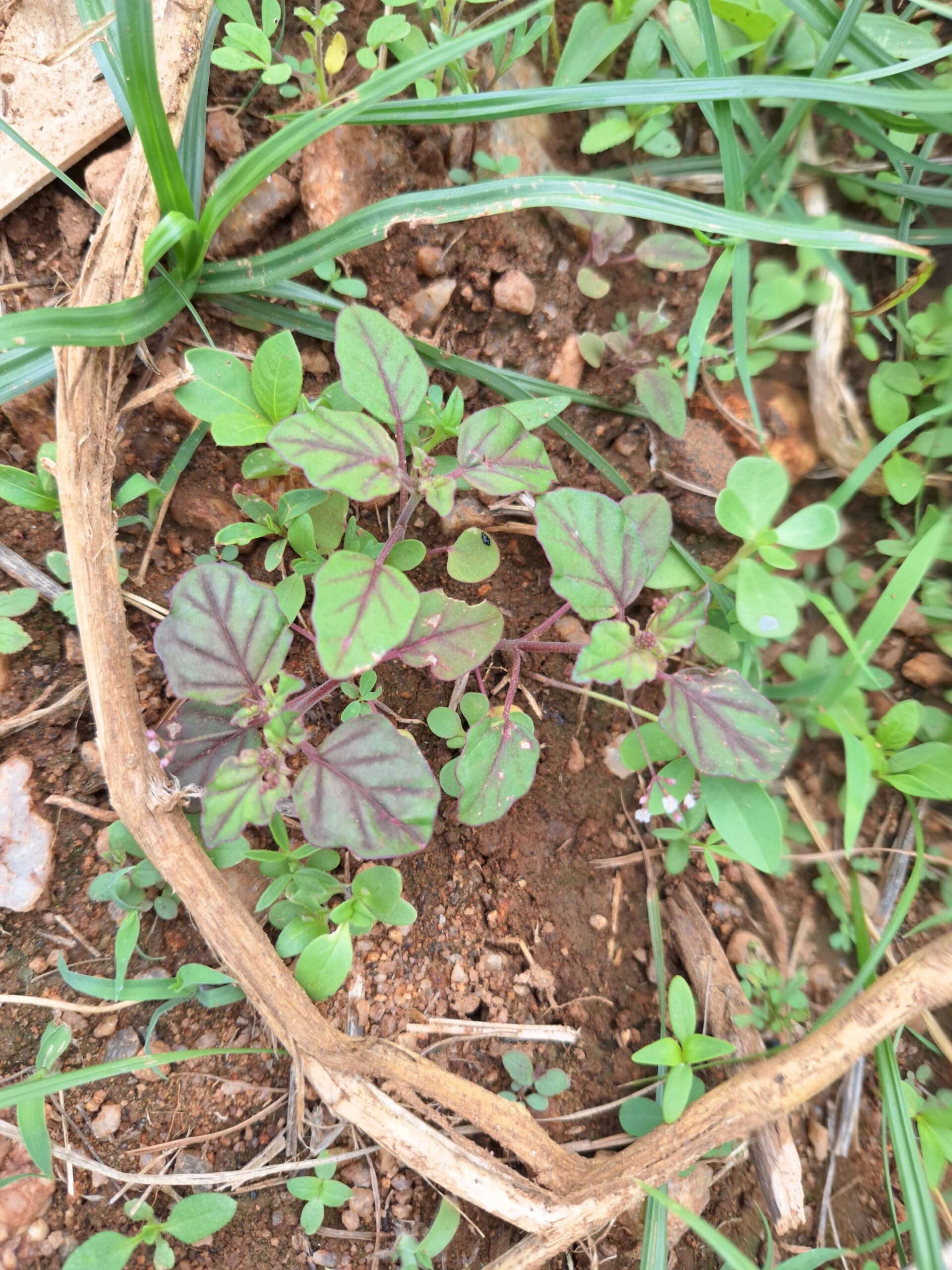
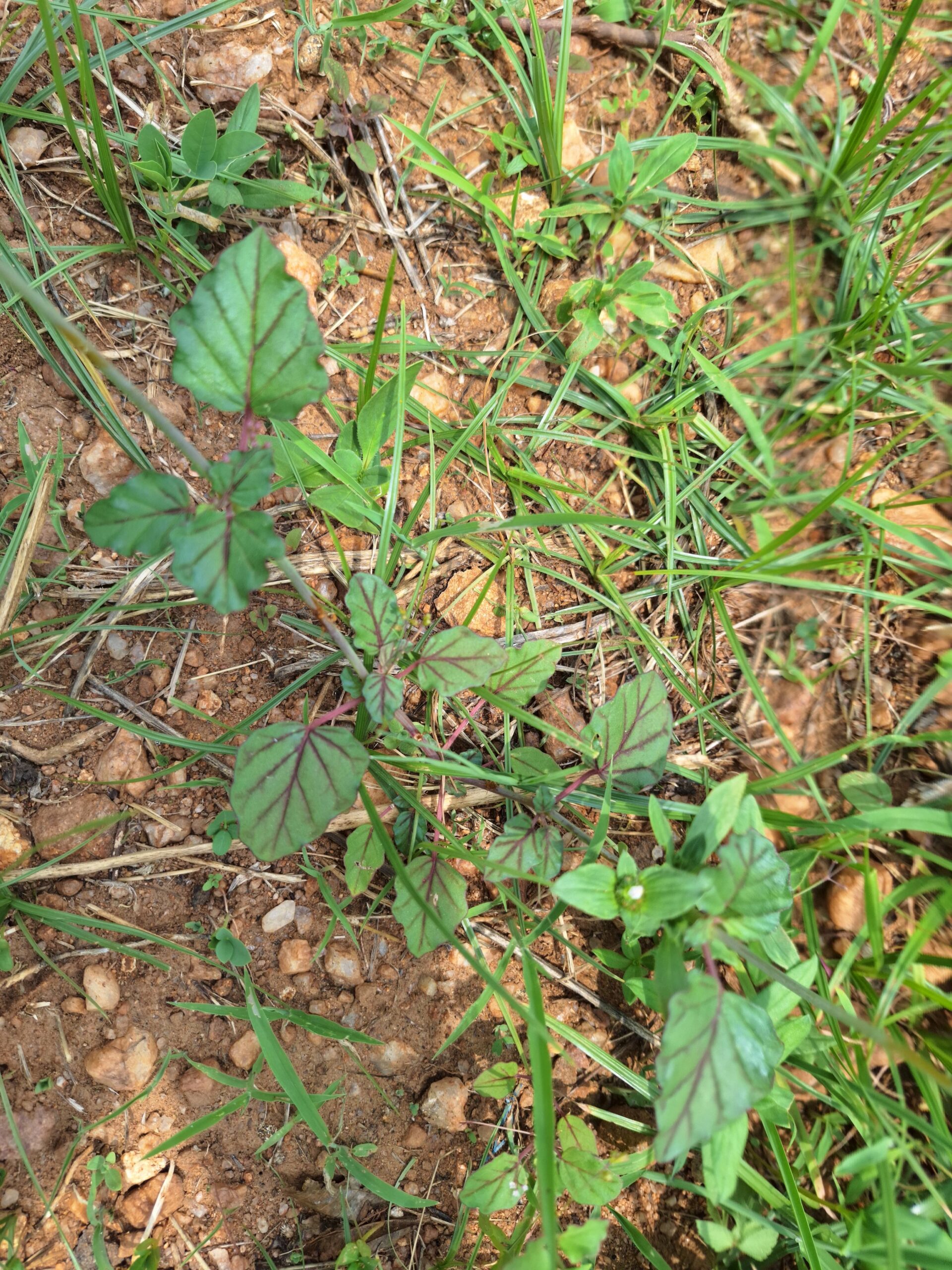
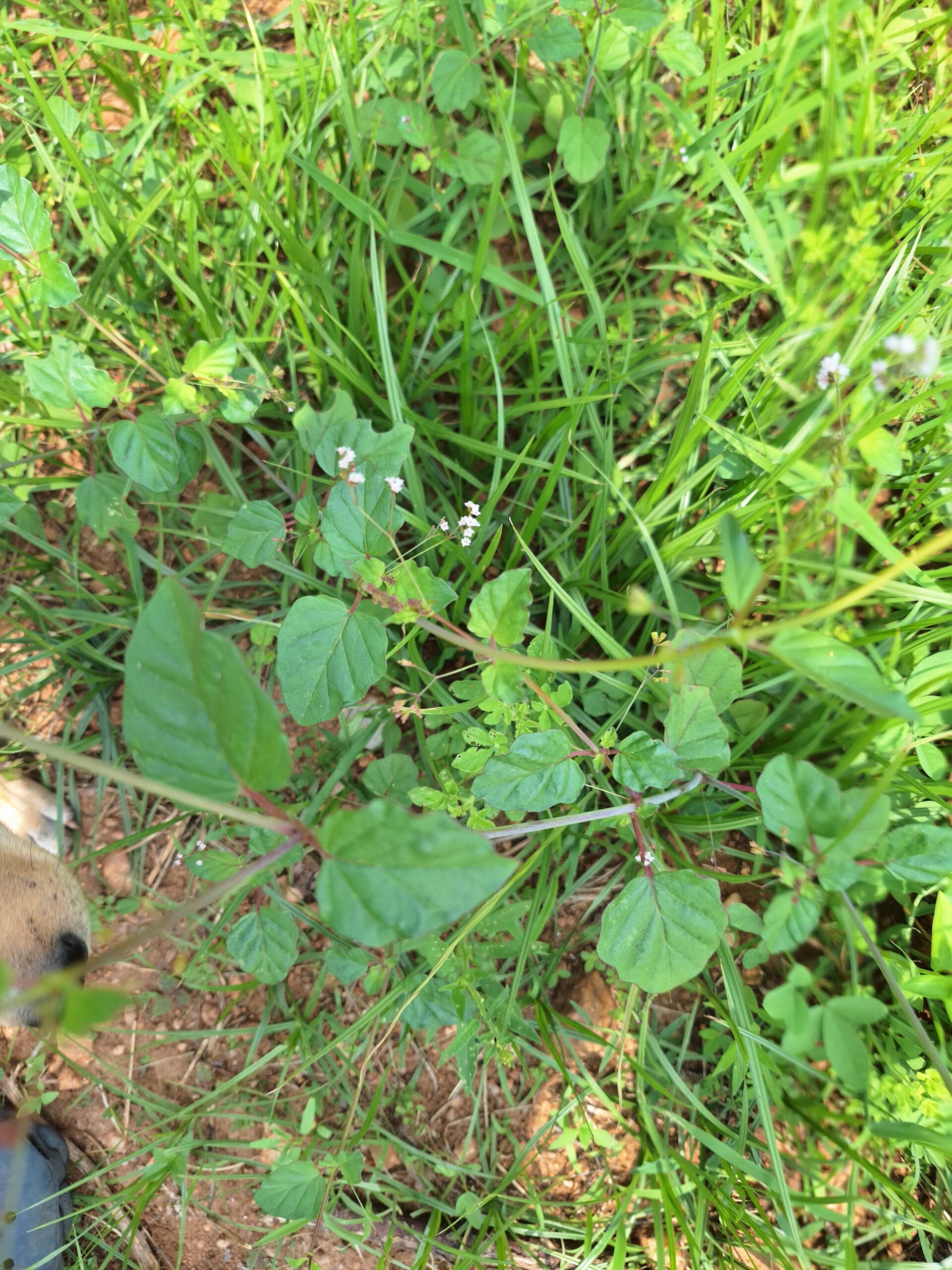
Origin
Native to India and widely found across tropical and subtropical regions, commonly growing in open fields and disturbed soils.
Usable parts and applications
Leaves: Used as a leafy vegetable in sambar, dal, and stir-fries
Roots: Used in Ayurvedic formulations
Whole plant: Used in traditional herbal preparations
Nutritional profile
Contains antioxidants and plant bioactives
Provides minerals such as iron, calcium, and potassium
Medicinal uses
Supports kidney function and helps manage water retention (edema)
Promotes liver health and supports natural detox processes
Aids digestion and metabolism
Exhibits anti-inflammatory properties, useful in joint discomfort
Traditionally valued as a rejuvenating herb
Precautions
Use in moderation; consult a healthcare professional if needed
Seed quantity
30+ seeds per pack
Germination guidelines
Soak seeds for 6–8 hours before sowing
Sow at 0.5–1 cm depth in well-drained soil
Maintain light moisture; avoid waterlogging
Germination typically occurs within 7–14 days
Provide good sunlight after sprouting
Climate suitability
Thrives in warm tropical to subtropical climates
Grows well in full sun to partial shade
Growing requirements and plant characteristics
Growth habit
Fast-growing, creeping/spreading perennial herb
Soil preference: Well-drained soil; tolerates poor soils
Water requirement
Low to moderate
Harvest time: First leaf harvest in 30–45 days
Yield behavior
Regrows well after cutting (cut-and-come-again)
Highly hardy and low-maintenance once established
Reviews
There are no reviews yet.