
Historical / Traditional Context
Traditionally valued for its medicinal bark and lightweight wood. Widely used in rural crafts like toys, carvings, and matchsticks. Also known for its role in natural dyeing practices.
Known For / Special Features:
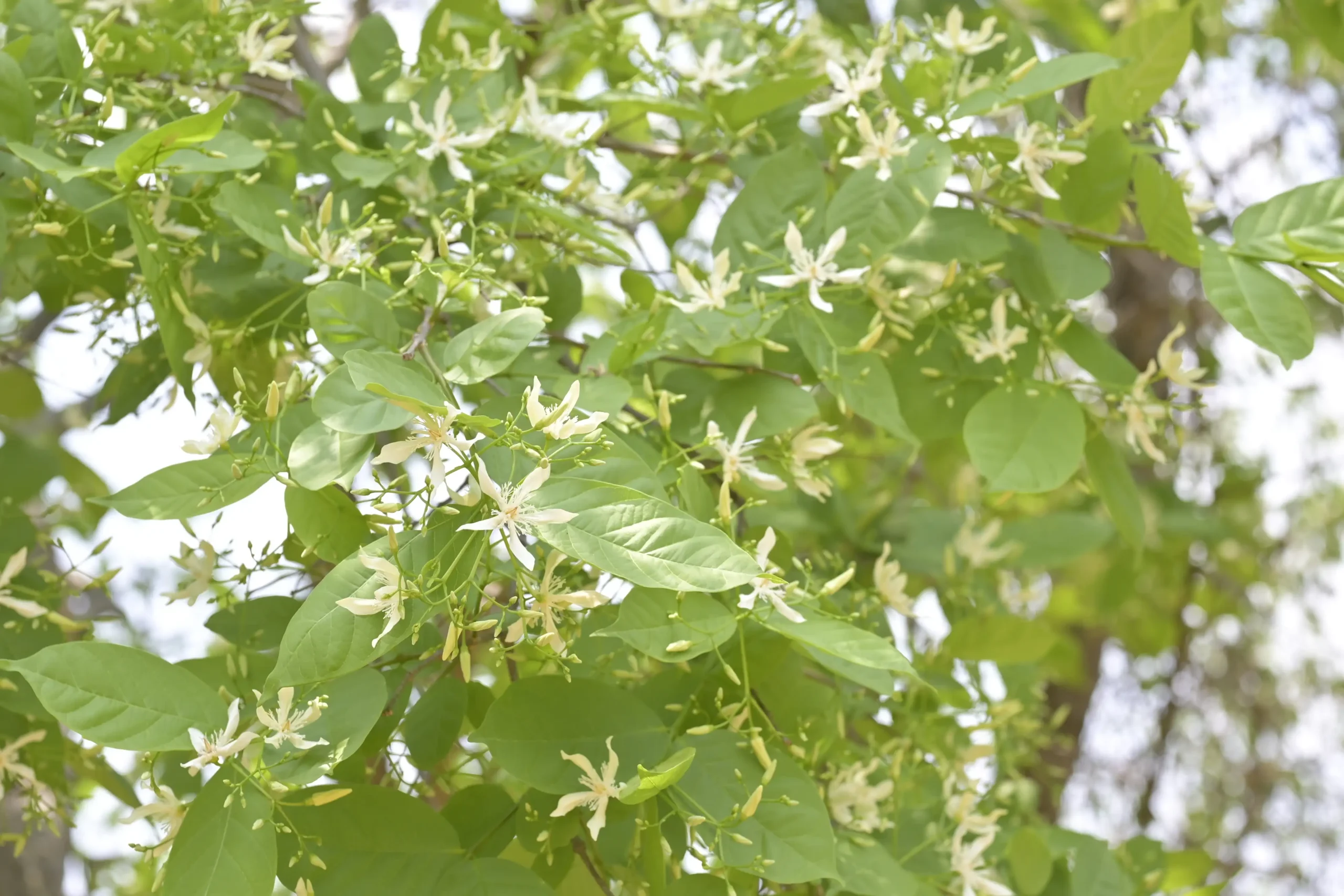
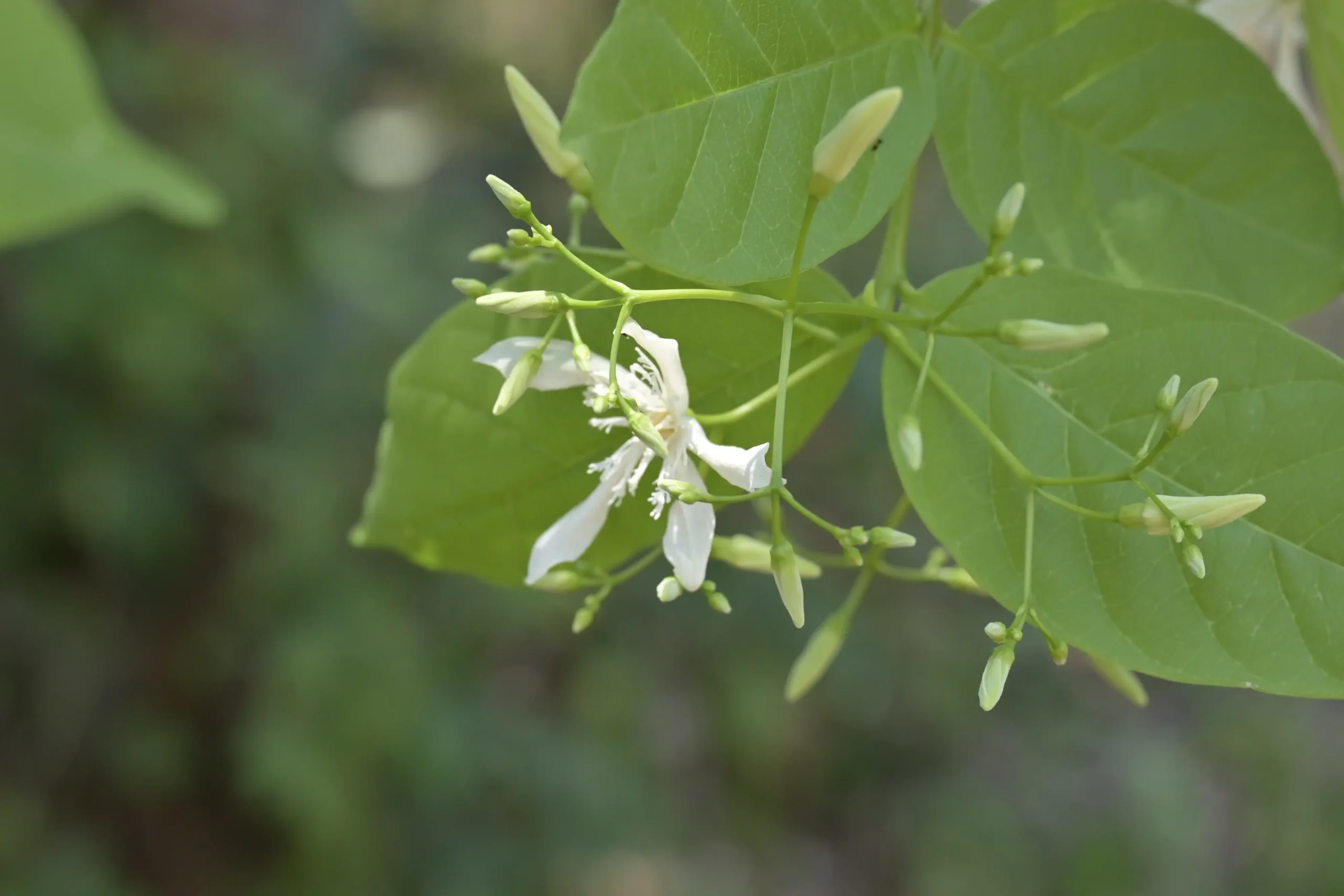
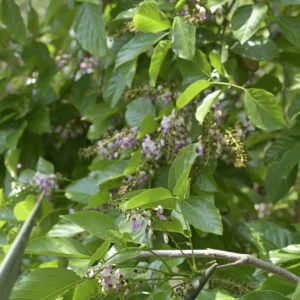
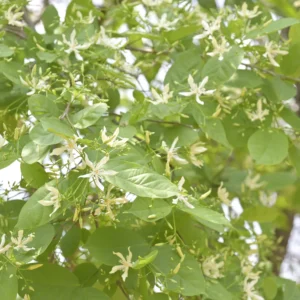
- Mildly fragrant flowers
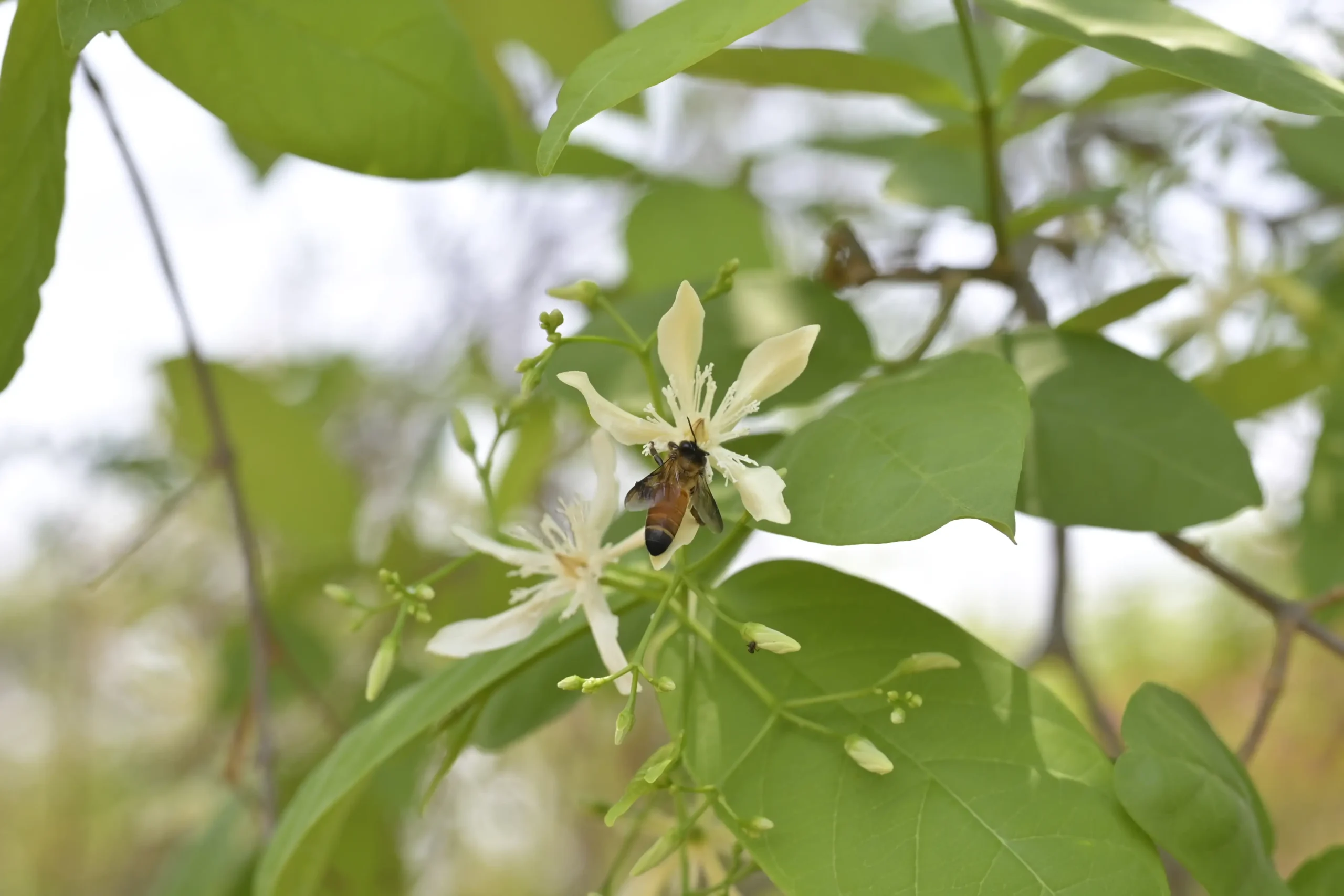
- Attracts pollinators like bees
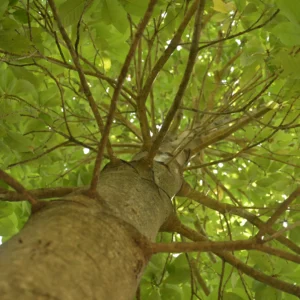
- Lightweight wood ideal for traditional crafts
- Thrives in dryland conditions
Health & Traditional Uses
- Bark used in Ayurveda for digestive support and skin conditions
- Traditionally used for diarrhea and dysentery
- Latex and leaves used in folk medicine for wound care
(Note: Traditional uses only, not for self-medication)
Nutritional Facts
Not consumed as food
Culinary Uses
Not used for culinary purposes
Growing Information
Ideal Climate: Tropical and dry deciduous regions, suited for semi-arid climates
Growing Difficulty Level: Easy to Moderate
Growth Type: Moderately fast-growing
Seed Collection Date
Recent season (properly dried and stored)
Growing Tips
- Sow in well-drained soil with light moisture
- Germination improves with warm conditions
- Provide partial shade during early growth
- Transplant once seedlings are stable
Availability
Seasonal / Limited
What You Will Receive
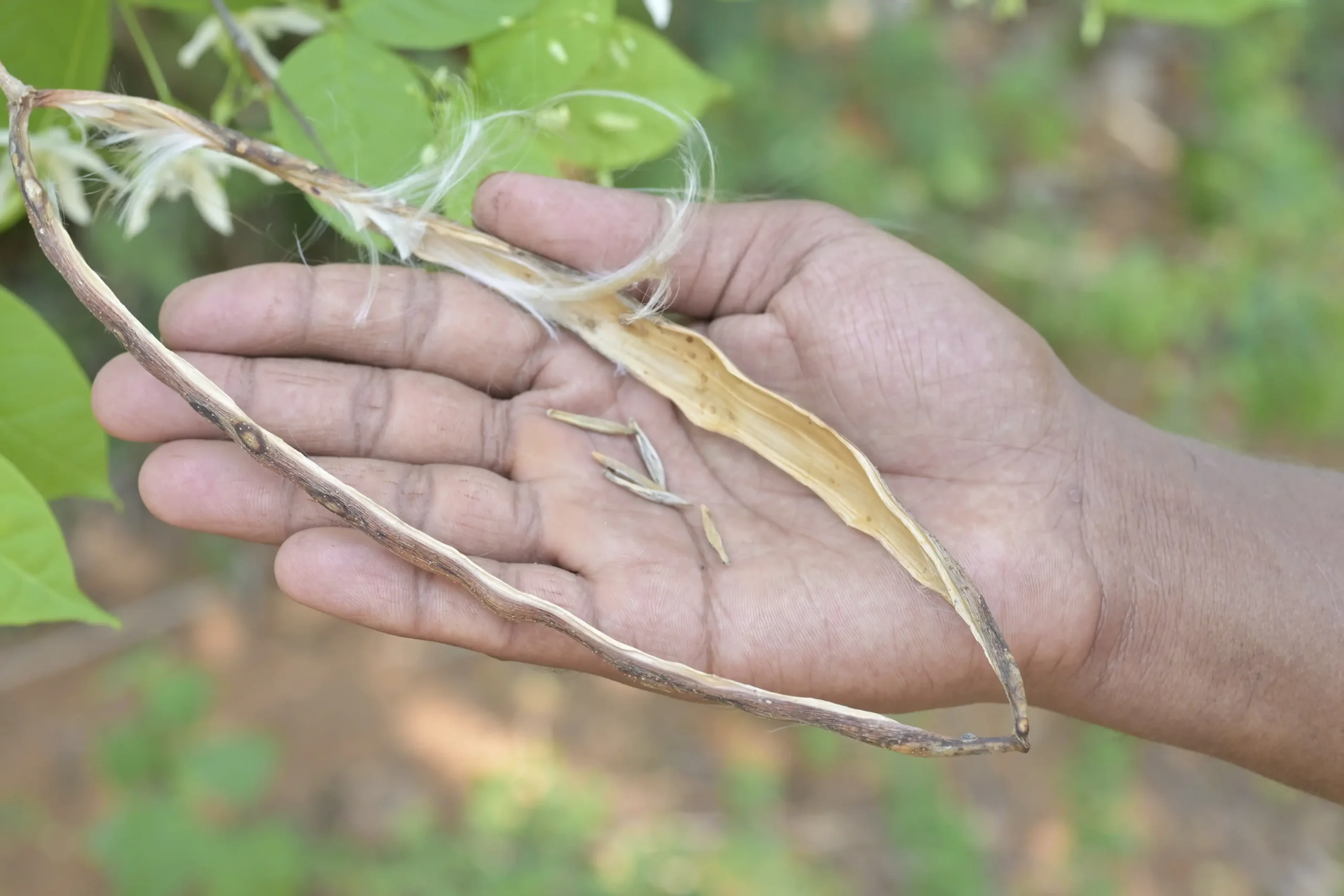
30 Healthy, viable Wrightia tinctoria seeds (quantity as per selection)
Why From Siri Eco Farm
Naturally collected seeds from healthy mother trees, without chemical exposure. Selected for resilience and adaptability.
Important Note
Seeds are natural products and germination depends on climate, soil, and care. No guaranteed germination rate. Variations are natural.
Reviews
There are no reviews yet.