
Our Story
A natural farming journey rooted in soil, diversity, and patience.

Siri Eco Farm is a natural farming orchard built on a simple idea work with nature, not against it.
Like many farms, this land was once dependent on chemical inputs. Over time, the soil weakened, costs increased, and farming became more about managing problems than growing food.
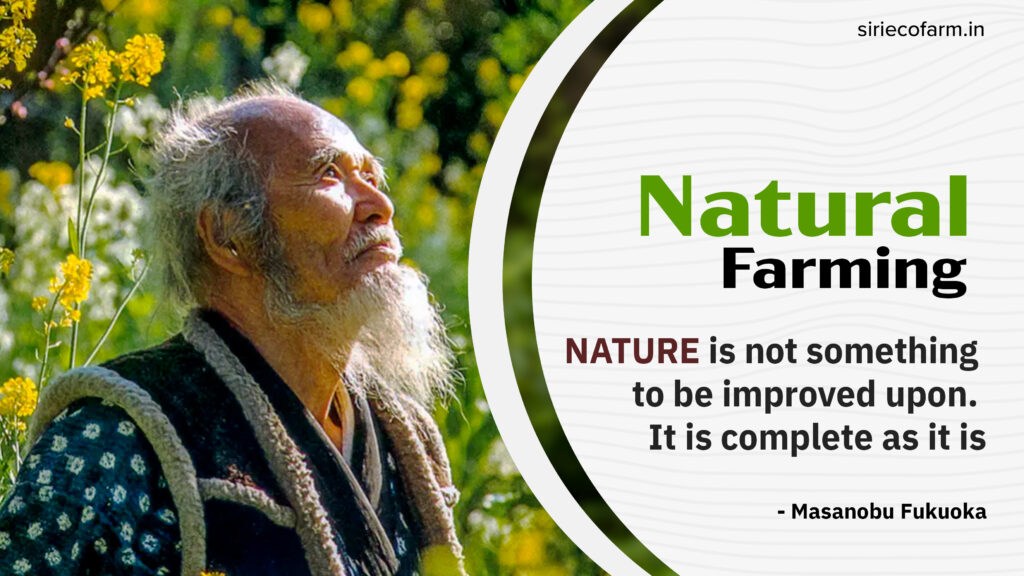
On 2012 a conscious shift was made towards natural farming, inspired by the philosophy of Masanobu Fukuoka, author of The One-Straw Revolution.
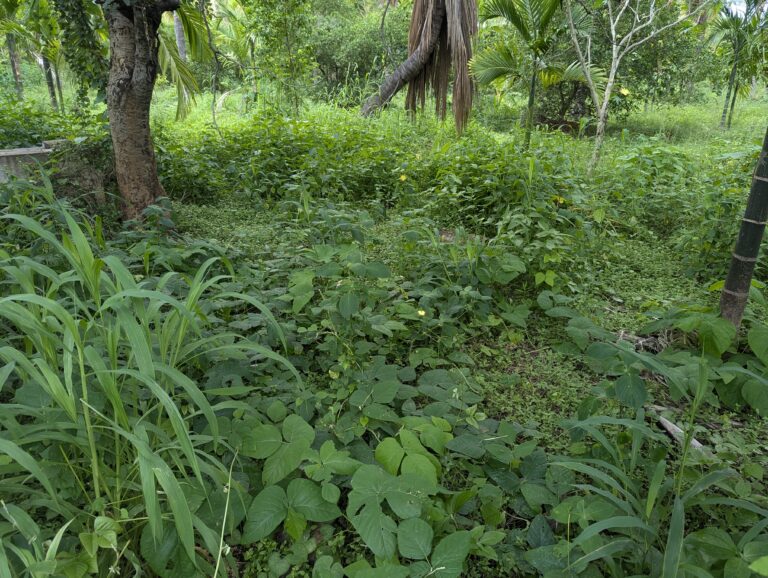
The transition was slow and uncertain in the beginning. But with patience, the soil recovered, biodiversity returned, and the farm began to sustain itself naturally.
Today, Siri Eco Farm stands as a living example of what happens when nature is allowed to lead.
We grow food without chemicals, following principles laid down by Masanobu Fukuoka. Soil is treated as a living system, where weeds, insects, and wildlife are part of the balance.
Masanobu Fukuoka, a Japanese farmer and philosopher, introduced the world to “do-nothing farming” through his book The One-Straw Revolution. His approach questioned modern agriculture and proved that nature, when undisturbed, is far more intelligent than human intervention.
Natural farming works on simple, time-tested principles no chemical fertilizers, no pesticides, no tilling, and minimal interference. Instead of controlling nature, we observe, learn, and support it. Seeds are sown directly, soil is protected with natural mulch, and diversity is encouraged through multi-layer cropping.
Over time, the soil becomes richer, biodiversity increases, and the farm becomes self-sustaining. What starts as a method of farming slowly becomes a way of life rooted in patience, respect for nature, and trust in natural processes.
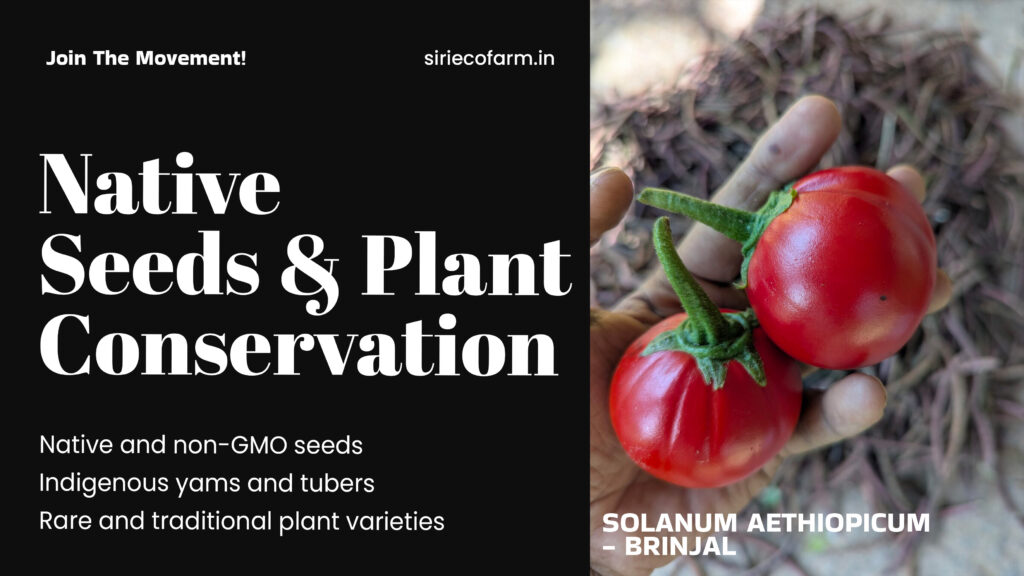
We actively collect, grow, and share:
Native and non-GMO seeds
Indigenous yams and tubers
Rare and traditional plant varieties
This is not just a collection effort it is a responsibility. Many of these varieties are quietly disappearing due to uniform farming practices and market pressure.
At Siri Eco Farm, we treat these as living heritage. Each seed and tuber carries history, resilience, and local adaptation built over generations. By growing them in real farm conditions and sharing them with farmers and growers, we ensure they remain alive, relevant, and in circulation.
The goal is simple protect biodiversity, strengthen farmer independence, and keep these varieties in the hands of people, not locked away or forgotten.
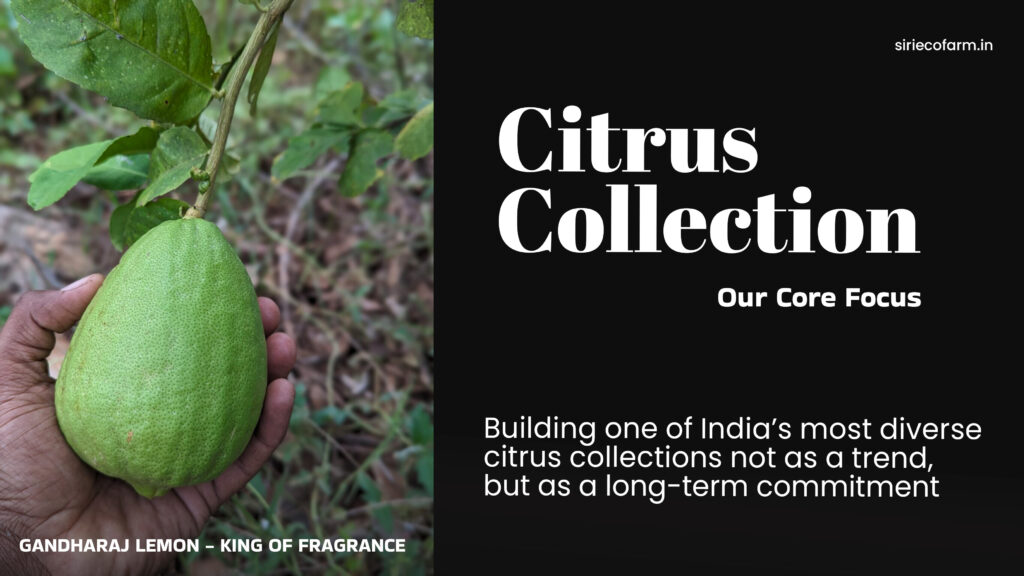
Siri Eco Farm is building one of India’s most diverse citrus collections not as a trend, but as a long-term commitment.
Citrus is deeply woven into our daily lives, yet remains one of the most underrated crops in India. From food and health to culture and livelihoods, it quietly supports us but its diversity is slowly disappearing. Many native varieties are already lost, and what remains is often replaced by a few commercial types.
That is exactly why we chose citrus as our core focus.
This collection brings together:
Native and indigenous varieties
GI-tagged citrus from different regions
Rare, heritage, and international varieties
Our aim is simple to conserve what exists, revive what is disappearing, and reintroduce diversity back into farms and markets. Each plant here is not just a crop, but a living genetic resource for future farmers.
Citrus is resilient, climate-relevant, and full of untapped potential. By focusing on it, we are not just growing fruits we are building a living reference of diversity that can educate, inspire, and support farmers for generations to come.
We actively support farmers beyond our own land.
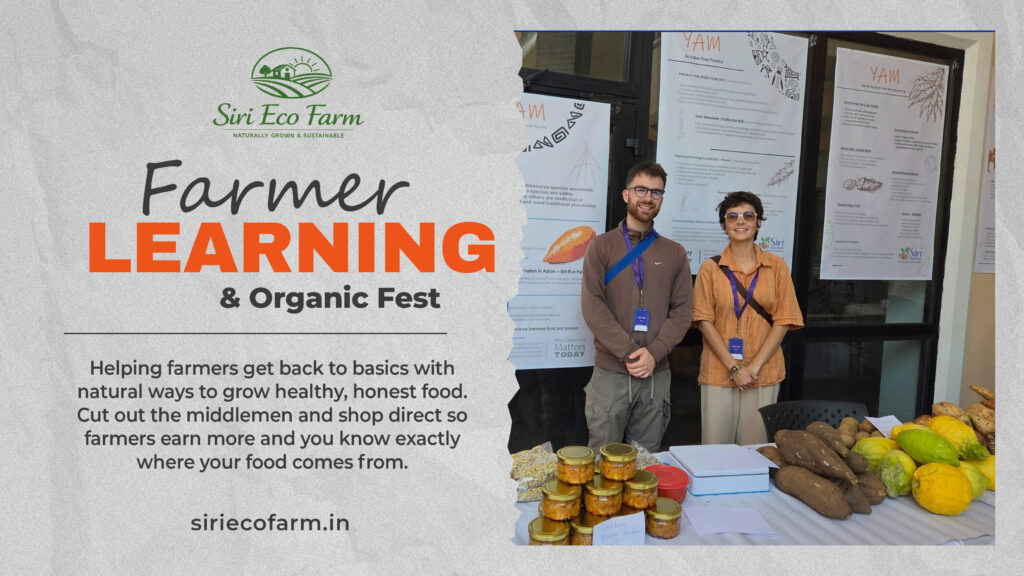
Through initiatives like our Organic Fest, farmers markets, and on-ground training programs,
we help farmers understand and adopt natural farming and sustainable practices in practical, real-world conditions
Encourage value addition so farmers can increase income without increasing cost or dependency
Enable direct farmer-to-consumer selling through farmers markets no middlemen, better trust, fair pricing
Create awareness about the long-term impact of chemical farming on soil, health, and environment
These are not just activities, but working models where farmers and consumers meet, learn, and grow together.
The focus is simple reduce dependency, increase independence.